A good mattress is an investment in better sleep, but even a high-quality mattress experiences gradual wear/tear with everyday use. Night after night, it supports body weight, absorbs body movement and responds to changing pressure points. Over time, these repeated forces can affect its comfort and performance. While proper care and regular cleaning help, many people overlook one simple addition that can contribute to preserving a mattress for longer: a mattress topper.
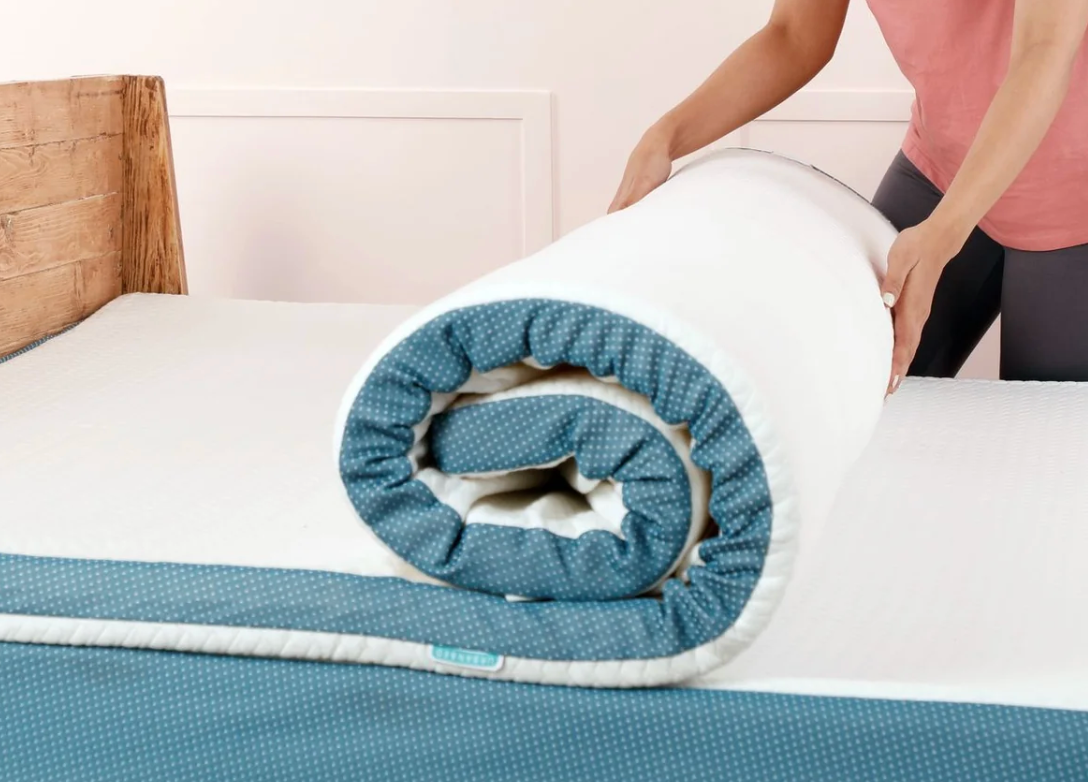
A mattress topper is a separate cushioning layer placed on top of the mattress. Although it is commonly used to improve comfort, it also acts as an additional surface that absorbs much of the daily pressure the mattress would otherwise experience directly. By sharing the load, a topper can help reduce surface wear while making an existing mattress feel more comfortable.
Understanding how a mattress topper works and choosing one with suitable features can help homeowners get more value from their mattress without immediately replacing it.
A Mattress Topper Creates an Extra Protective Layer
Every night, the upper surface of a mattress experiences continuous pressure from body weight and movement. Over months and years, this repeated compression gradually affects the comfort layers of the mattress. A topper introduces an additional cushioning layer that absorbs much of this everyday impact before it reaches the mattress itself.
Rather than changing the mattress permanently, the topper becomes the first surface that responds to movement and pressure. This helps distribute everyday use across another layer instead of concentrating all the force on the mattress alone.
See also: Understanding the Different End-of-Life Options Available to Tampa Families
Better Pressure Distribution Reduces Surface Stress
Pressure is not spread evenly while sleeping. Areas such as the shoulders, hips and lower back usually carry more weight than other parts of the body. When these pressure points remain concentrated on the same areas of a mattress night after night, the surface may gradually lose some of its original feel.
Many modern mattress toppers are designed with ergonomic support zones that help spread body weight more evenly.
By distributing weight more evenly, the topper helps reduce concentrated stress on individual sections of the mattress, allowing the sleep surface to maintain its comfort for longer.
Improved Comfort May Delay Mattress Replacement
Sometimes a mattress remains structurally sound but begins to feel firmer, less supportive or less comfortable than it once did. In these situations, replacing the entire mattress may not always be necessary immediately.
Adding a mattress topper can improve the overall sleeping surface by introducing additional cushioning or responsive support, depending on the material selected. This refreshed comfort can make an existing mattress feel more pleasant to sleep on while extending its useful life. Thickness options ranging from one to three inches also allow users to adjust the sleeping surface according to their preferences.
Breathable Materials Help Maintain Sleep Comfort
Heat build-up can affect sleep quality, especially for people who naturally sleep warm. While breathability does not directly determine how long a mattress lasts, maintaining a comfortable sleep environment may reduce the desire to replace a mattress simply because it feels uncomfortable.
Several topper materials are engineered to improve airflow. These ventilation features allow sleepers to enjoy greater comfort without altering the mattress itself.
Motion Isolation Helps Reduce Surface Disturbance
When two people share a bed, movement from one sleeper can sometimes disturb the other. Repeated movement also places continuous stress on the mattress surface.
Many foam-based mattress toppers are designed with motion isolation properties that reduce the transfer of movement across the bed.
While the mattress continues providing structural support, the topper absorbs some of the movement occurring on the sleeping surface, contributing to a more stable sleeping experience.
Washable Covers Help Maintain Cleanliness
Keeping bedding clean is an important part of mattress care. Since a topper sits directly beneath the bedsheet, it becomes one of the first layers exposed to everyday use.
Many mattress toppers include removable zippered covers that can be washed more easily than an entire mattress. Waterproof covers are also available across several topper options.
Because the cover is easier to clean than the mattress itself, routine maintenance becomes more convenient, helping maintain a cleaner overall sleep environment.
Secure Fit Prevents Unnecessary Movement
A topper performs best when it remains properly positioned throughout the night. Frequent shifting or bunching may reduce comfort and create uneven pressure across the sleeping surface. This combination allows the topper to remain stable during movement while maintaining consistent support across the bed.
A secure fit also helps ensure that the protective layer continues functioning as intended during regular use.
Different Materials Suit Different Needs
No single topper material is suitable for everyone. Different sleepers have different preferences depending on comfort, responsiveness and support requirements.
Memory foam contours closely to the body and helps relieve pressure points. Latex offers a more responsive feel while promoting airflow through pin-core construction. Super soft foam provides a plush sleeping surface with ergonomic support zones designed to distribute weight evenly.
Selecting a topper that matches individual sleeping preferences can improve comfort while allowing the existing mattress to continue serving its purpose effectively.
A Mattress Topper Works Best With a Good Mattress
Although mattress toppers offer many advantages, they are not designed to repair a mattress that has reached the end of its useful life. If a mattress has severe sagging, broken internal support or significant structural damage, a topper cannot restore its original condition.
Instead, toppers are most effective when the mattress remains structurally sound but would benefit from improved comfort, additional support or reduced everyday surface wear. In these situations, the topper acts as an enhancement rather than a replacement.
Using a topper as part of regular mattress care can help preserve comfort while allowing homeowners to delay the need for purchasing a new mattress.
Conclusion
A mattress topper offers much more than an extra layer of softness. By creating a protective cushion between the sleeper and the mattress, it helps distribute pressure, improve comfort and reduce everyday surface wear. Features such as ergonomic zoning, breathable materials, motion isolation, washable covers, waterproof protection and anti-skid designs further contribute to a better overall sleep experience.
While a topper cannot repair a worn-out mattress, it can help extend the useful life of one that remains in good condition. Combined with regular mattress care and proper maintenance, a well-designed topper provides a practical way to enjoy greater comfort while helping an existing mattress continue performing effectively for years to come.