Booking a tattoo, a fresh piercing or a cosmetic treatment has moved from a rare decision into an everyday lifestyle choice. Most people focus on the design and the finished look, yet quietly worry about how much the process will hurt. Tattoo numbing cream has grown popular because that discomfort is the part first-timers most often underestimate.
The distance between wanting the result and fearing the process is exactly where good preparation earns its place. A quality tattoo numbing cream gives people a practical way to sit through longer sessions calmly, which means fewer breaks, steadier work and a finished result closer to what was planned. Comfort has quietly become part of how the whole experience is judged.
The Discomfort First-Timers Rarely Plan For
The Sensation People Tend to Play Down: Tattooing and cosmetic work produce a steady, repetitive sting that grows more noticeable as one area is worked over time. In everyday practice, tattoo artists and cosmetic technicians consistently see clients who prepared the skin beforehand sit through that sensation far more calmly than those who did not. Underestimating how it builds is what catches most first-timers off guard.
What Going in Unprepared Usually Costs: Unprepared sessions frequently end early, and unfinished work is the consequence people overlook most. When the discomfort becomes too much, appointments get cut short, outlines stay incomplete and a second sitting is needed to finish what one visit could have covered. A single rough experience is also enough to put some people off future procedures for good.
See also: Understanding the Different End-of-Life Options Available to Tampa Families
Steady Numbing Reshapes the Entire Appointment
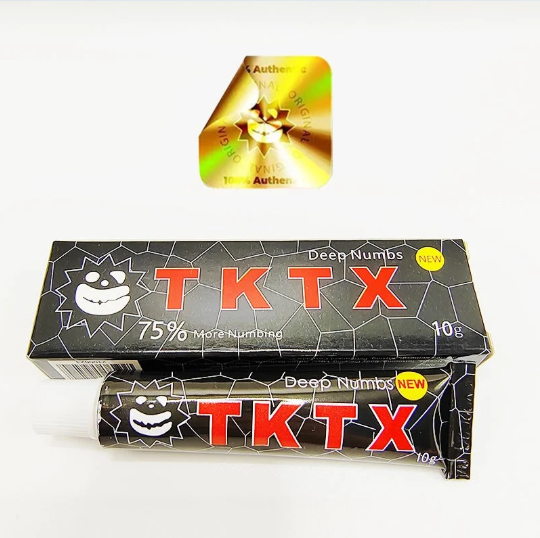
How Long the Relief Usually Lasts: Most lidocaine-based creams reach peak effect around thirty to sixty minutes after application and hold that relief for roughly one to two hours. That window is generally enough to cover a small tattoo, a piercing or a short cosmetic session with real comfort. A client who is not flinching also gives the artist a steadier surface, which shows in cleaner, more precise work.
Comfort Has Become a Reason to Book: Buyers increasingly weigh how an appointment will feel, not only what it will produce, when deciding where to spend. This reflects the wider experience economy, where the ease and quality of a service shape loyalty as much as the result itself. Studios that keep clients comfortable tend to earn repeat visits and steady word-of-mouth recommendations.
Choosing the Right Numbing Option for Each Procedure
Why Buyers Compare Formats before Choosing: Because body art and cosmetic treatments sit within discretionary spending, people weigh their options carefully before committing to any purchase. Creams, gels and sprays all numb the skin, yet they differ in how they are applied and how precisely they can be placed. A cream spreads evenly and stays put under a wrap, a spray reapplies faster mid-session, and a gel sits between the two.
One Product Suited to Several Procedures: A quality tattoo numbing cream suits far more than tattoos, working equally for piercings, microblading, laser treatments and waxing. This works because all of these involve repeated or sustained pressure on the skin, so a cream that dulls surface sensation carries over naturally from one use to the next. That flexibility makes a single tube genuinely worth keeping on hand.
Smoother Healing and Stronger Client Loyalty
A Calm Session Supports Better Healing: A client who stays still and relaxed allows cleaner, more consistent work that tends to settle and heal more predictably. Constant flinching or a rushed, cut-short session can leave uneven results that later need correction, which adds both time and expense. Comfort during the procedure quietly protects the quality of the finished piece.
Fewer Touch-Ups Mean Better Value over Time: Money spent on a good tattoo numbing cream often saves more than it costs by preventing repeat touch-ups and shortened sittings. People who found their first experience manageable are also far more likely to return for further work rather than avoid it. Across several appointments, that reliable comfort turns into real long-term value and a reason to stay loyal.
Points Worth Weighing before You Buy
Choosing well is easier with a few practical factors in mind, and the right tattoo numbing cream should meet most of them. Reading the label, checking the active ingredient and following the timing guidance all shape how well it performs on the day. The points below cover what tends to matter most.
- Check the product clearly lists its active anaesthetic and its strength, since this affects both how well it works and how safely.
- Apply the cream roughly thirty to sixty minutes before the appointment so it reaches full effect at the right time.
- Cover the treated area lightly where the label allows, as this can help the cream absorb more evenly.
- Confirm the product meets Australian safety standards set by the TGA, since approved formulations follow clear requirements.
- Speak to a healthcare professional first if you have sensitive skin, allergies or an existing condition before using any numbing product.
Making Comfort Part of the Plan
Comfortable preparation is what lets people enjoy the result they wanted without dreading the process that delivers it. Walking into a session unprepared risks a rushed, painful appointment that can sour the whole idea of body art. Choosing a suitable numbing product now, or getting in touch for advice on the right one, is the simplest way to keep the next appointment calm and comfortable.