When someone is ready to face the inevitable, what the aftermath after life looks like is among the most personal decisions any individual or family will make. Death is a taboo topic for many but pre-planning can make what may have been complicated at best and unbearable at worst a manageable issue.
You have choices to make to ensure your own wishes are carried out and the burden of decision making removed from grieving loved ones during a time of intense emotional upheaval. Families who plan for a loved one’s death in Tampa consider the following choices: Burial and cremation in Tampa are by far the most frequent but increasingly individuals opt to have their bodies donated to foster science.
Why Planning Ahead Matters
One of the main reasons people steer clear of discussions regarding the care at the end of their life, is the fact that the conversation around the topic can be very uncomfortable for the individuals having it, the discussion itself, is just an unpleasant one. More often than not however, preparing the arrangement and planning for end-of-life, can provide you with a sense of ease and security, rather than fear. It can provide your family with peace and certainty, eliminating doubts and stressful decisions during a difficult period for them.
Preparing the arrangement gives you an opportunity to explore all available options, learn about all the details involved and understand how the arrangement meets your religious, ethical or philosophical values – burial, cremation or whole body donation. Whatever your choice of funeral arrangement, preparing in advance can create a smooth transition for your loved ones. Almost all of the whole body donation programs are able to accept donations where you pre-register to become a donor while you are still alive.
However, in certain circumstances and under specific conditions, post-death donations can still be arranged with notification from the family shortly after the passing of the potential donor.
See also: How to Buy a Villa in Palm Jumeirah as a Foreign Investor
Traditional Burial
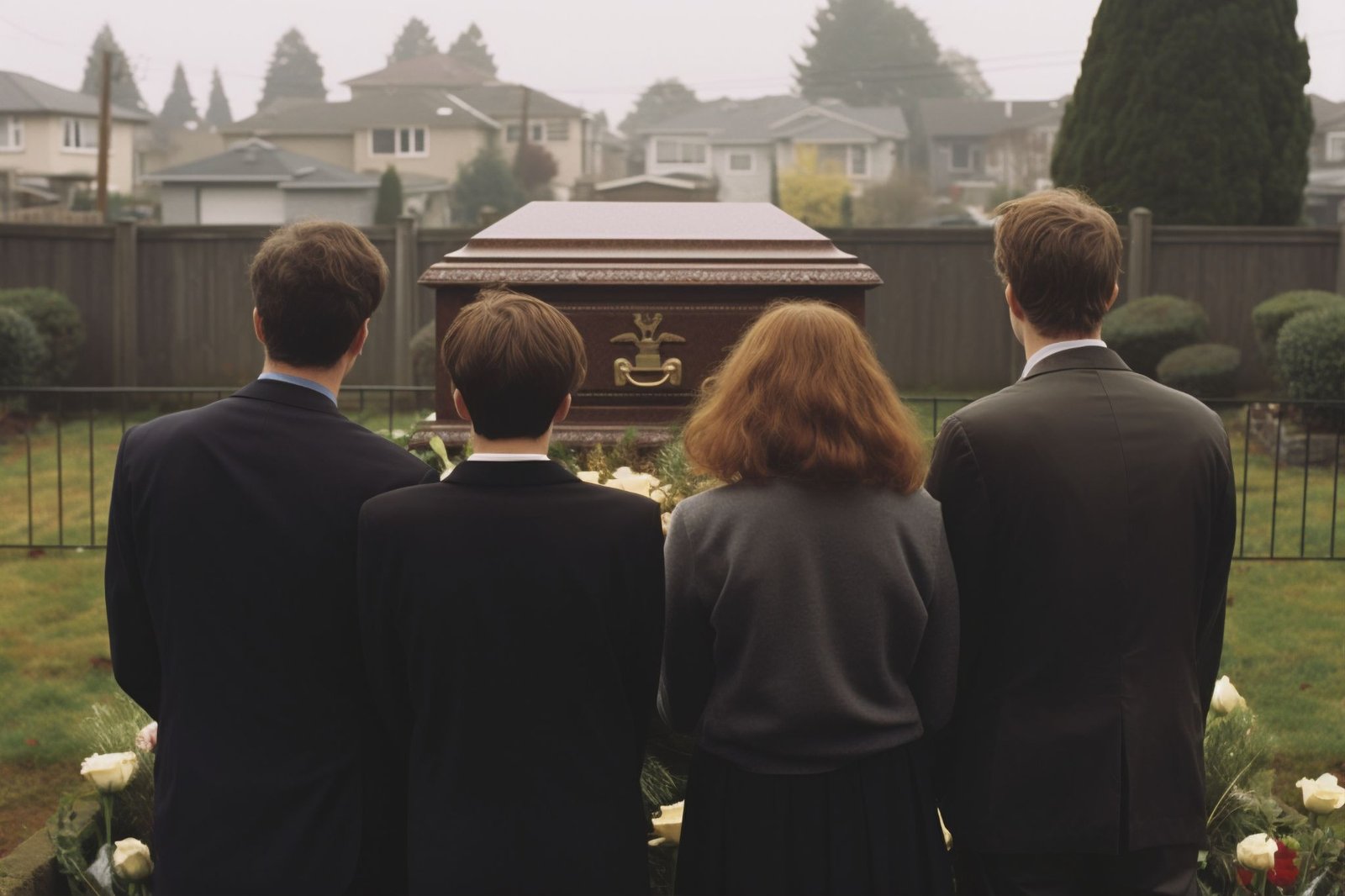
Traditional burial has long been one of the most familiar end-of-life choices. It typically involves funeral services, preparation of the body, a casket, burial plot and cemetery arrangements. For many families, burial reflects religious traditions, cultural customs or personal beliefs that have been followed for generations.
A funeral service also provides an opportunity for relatives and friends to gather, remember the person who has passed away and support one another. Memorial visits to a cemetery may continue long after the funeral, giving families a dedicated place for remembrance.
However, traditional burial generally requires several arrangements that must be coordinated within a relatively short period. These often include selecting a funeral home, arranging transportation, organizing cemetery services and managing the associated costs.
Understanding Cremation
Cremation in Tampa has become an increasingly popular option for individuals and families seeking an alternative to burial. Direct cremation, in particular, involves cremation without a formal funeral service beforehand, offering a simpler approach for some families.
After cremation, the ashes are usually returned to the family, who can then decide how they would like to remember their loved one. Some choose to keep the ashes in a memorial urn, while others hold a private remembrance ceremony or scatter the ashes in a meaningful location where permitted.
One reason cremation appeals to many families is its flexibility. Memorial services do not necessarily have to take place immediately and can be arranged at a later date when family members are able to gather together.
Whole Body Donation as Another Choice
In addition to burial and cremation, some people choose to donate their body to science. Whole body donation allows donated tissue to support medical education, healthcare training and scientific research after death.
Medical students rely on donated human anatomy to develop practical knowledge, while researchers and healthcare professionals use donations to improve surgical techniques, study diseases and advance medical technologies. Human tissue continues to play an important role in helping future healthcare professionals gain hands-on experience that cannot always be replicated through textbooks or computer simulations alone.
For many donors, this option represents an opportunity to contribute to future healthcare while leaving a lasting legacy through education and research.
How the Donation Process Works
People often assume that body donation is complicated, but many programs are designed to make the process as straightforward as possible for both donors and their families.
Individuals may choose to register before the end of life so their wishes are documented in advance. If someone has not registered previously, family members may still be able to enquire about donation after death, although acceptance depends on medical suitability and program requirements.
Once a donation is accepted, arrangements are generally coordinated by the donation program. This often includes transportation, required documentation and communication with the medical education or research institution that will receive the donation.
Understanding these steps beforehand can help families feel more prepared should donation become part of their end-of-life planning.
Cremation Following Donation
A common question families ask is what happens after medical education or research has been completed. In many whole body donation programs, cremation forms part of the overall process.
After the donation has fulfilled its educational or scientific purpose, cremation is carried out. The cremated remains are then typically returned to the family if they wish to receive them. Families can then organize a memorial service or celebration of life at a time that feels appropriate for them.
This approach allows individuals to contribute to medical advancement while still providing families with an opportunity for personal remembrance afterwards.
Financial Considerations
Practical considerations are an important part of end-of-life planning. Funeral arrangements, burial services and cremation all involve different levels of planning and expense.
Traditional funerals often include costs associated with funeral services, cemetery plots, caskets and burial arrangements. Direct cremation may reduce some of these expenses because it involves fewer ceremonial arrangements.
Many whole body donation programs also cover services such as transportation, required documentation, cremation and the return of cremated remains. Understanding exactly what is included allows families to make informed decisions while considering both personal wishes and financial circumstances.
Talking Openly With Family Members
Regardless of which option someone chooses, discussing those wishes with family members is one of the most valuable parts of the planning process. Open conversations help ensure that loved ones understand the individual’s preferences and know how those wishes should be carried out when the time comes.
Many people also include these decisions in advance healthcare directives, wills or other legal documents so that their intentions are clearly recorded. Sharing this information in advance can reduce uncertainty and help family members feel more confident when making arrangements during a difficult time.
Although these discussions may feel uncomfortable initially, they often provide reassurance because everyone understands the person’s wishes before decisions become urgent.
Choosing the Right Option
There is no single end-of-life arrangement that suits everyone. Personal beliefs, cultural traditions, family preferences and financial considerations all play an important role in the decision-making process.
Some individuals prefer the familiarity of traditional burial, while others appreciate the flexibility offered by cremation. Others choose whole body donation because they wish to contribute to medical education and scientific research while also planning ahead for practical arrangements.
Each option reflects different priorities, and taking time to understand the available choices allows individuals and families to make decisions that best reflect their personal values.
Final Thoughts
Planning for the end of life is ultimately about making thoughtful decisions before they become urgent. Whether someone chooses traditional burial, cremation or whole body donation, understanding the differences between these options allows families to prepare with greater confidence and clarity.
By discussing preferences early, documenting personal wishes and learning about the processes involved, families can reduce uncertainty during difficult times while ensuring that final arrangements reflect the values and intentions of the individual. Careful planning today can provide peace of mind for both the person making the decision and the loved ones who will carry those wishes forward.
For those considering whole body donation, learning about eligibility, the donation process and what happens afterwards can help determine whether it aligns with their personal wishes. Like any end-of-life decision, it is most beneficial when made with clear information, thoughtful discussion and an understanding of the options available.