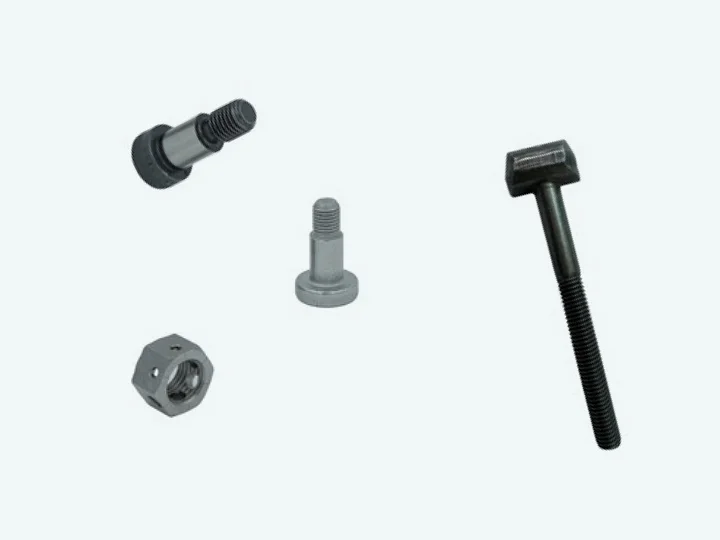
Two quotes land on the same desk. The specs match, the lead times match, and one supplier comes in 12% cheaper on industrial nuts and bolts. The buyer signs it off in four minutes. Nobody calls a meeting about it. The saving is real; it shows up on the ledger, and everyone moves on to the next line.
Industrial nuts and bolts carry a load far out of proportion to what they cost. One fastener might be worth less than a cup of tea. The assembly it holds together can be worth several hundred thousand. That ratio is where the damage starts, and it rarely shows up in the same quarter as the saving.
Here is why the cheaper quote often stops looking cheap eight months later.
Why the Price Gap Rarely Comes from Better Manufacturing
A lower price has to come from somewhere. Sometimes the reason is honest. A plant running below full output, a shorter shipping route, or a longer production run can all shave a genuine margin off the unit cost.
But not always. The United States passed the Fastener Quality Act in 1990 after repeated failures traced back to mismarked and substandard parts. Congress found that millions of faulty fasteners had reached buyers. That stock raised the risk of failure in both military and civilian work.
A later Senate review put it more bluntly. Much of that substandard stock did not come from poor factory processes. Somebody made it to a lesser standard on purpose so that it could undercut honest suppliers on price.
Read that again. The cheap bolt was not an accident. It was the plan.
What Substandard Industrial Nuts and Bolts Actually Cost
Replacement parts sit at the bottom of the damage list. Everything above them arrives without a quote:
- Labour hours to strip the assembly and rebuild it
- Production stopped while the line waited for stock.
- Warranty claims and the credit notes that follow
- Time spent proving which batch was at fault.
- Insurance and audit questions once a failure enters the record
- The customer who spotted the fault before you did
Only the first item ever reached the purchase order.
Grade Markings, Matched Nuts, and the Paperwork Behind Them
A bolt and a nut only work as a pair. If the nut sits below the bolt in strength, its threads strip before the bolt reaches the load it was chosen for. The joint then fails at a number nobody designed around.
Grade markings exist to prevent that. They only help when the marking tells the truth. Batch test records matter more than the stamp on the head.
Ask what a supplier verifies before despatch. Hardness, dimensions, and mechanical properties all deserve an in-house check, with the method available on request.
Torque Settings Assume a Fastener You Can Trust
NASA’s fastener design manual calls torque the biggest problem in fastener installation. Torque is an indirect measure. What actually holds a joint together is the clamping load that appears when tightening stretches the bolt.
Most of the torque you apply never becomes clamp load. Friction at the threads and under the nut face absorbs the rest. The same manual notes that engineers commonly assume a nut factor of 0.2, while 0.15 sits closer to reality for steel-on-steel.
That gap matters. When plating thickness or surface hardness drifts between batches, the torque chart on the wall quietly stops describing the joint in front of you. Your wrench reads the same number. The clamp load underneath it does not.
Where a Cheap Joint Usually Fails First
Failures rarely begin at the spot everyone watches. They begin at the interface. They build slowly enough that nobody links them to a buying decision made two years back.
Vibration goes first. A nut that backs off a quarter turn sheds far more clamp load than that movement suggests. The mating faces then start to fret. Corrosion follows, usually where a plated finish was too thin for the job.
Both problems look like maintenance failures by the time anybody notices them. Both often started inside a quote comparison.
See also: How to Create a Competitive Advantage in Business
The Comparison Nobody Runs
Say fasteners account for half a per cent of what an assembly costs to build. A fifteen per cent saving on them moves the total by less than a tenth of a per cent. One field failure wipes out years of that saving, plus some sleep along the way.
The math is rough. Every plant will argue with the percentages, and the ratio shifts a lot between a conveyor and an aircraft part. The shape of it holds anyway.
Price deserves a place in the conversation. It just belongs at the end, after grade, thread class, finish, and traceability are settled. Negotiating price first means negotiating against yourself.